

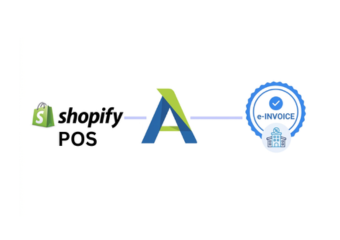
Shopify Commerce Under Qatar Rules
How Shopify Orders Reach Invoices
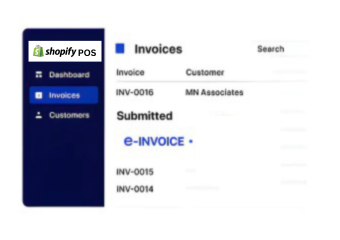
- Shopify Checkout Information: Shopify checkout details are collected and routed into Advintek for structured invoice workflow processing.
- Customer Order Field Mapping: Customer, product, quantity, tax, and transaction fields are mapped into configured invoice structures accurately.
- Commerce Invoice Data Review: Submitted information is reviewed for completeness before progressing through the configured invoice processing workflow.
- Billing Invoice Record Assembly: Relevant order information is assembled into coherent invoice records using connected Shopify transaction data.
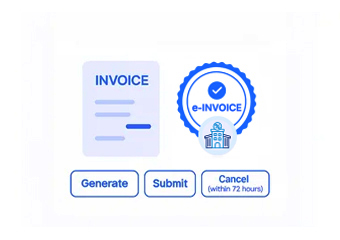
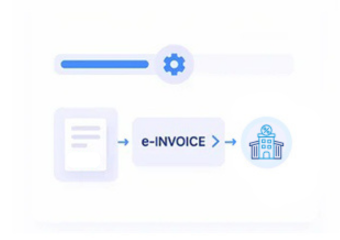
- Invoice Processing Route: Prepared invoice information advances through the appropriate workflow for Qatar-focused electronic invoice processing.
- Originating Shopify Order Linking: Completed invoice records remain associated with their originating Shopify orders for reconciliation and reference.
What Advintek Adds to Shopify
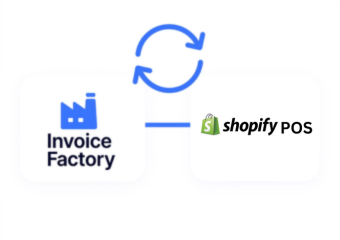
Advintek extends Shopify commerce operations with invoice connectivity, helping merchants coordinate checkout information, products, customers, tax records, returns, and transaction references.
- Connects Shopify orders with invoice workflows
- Structures product and customer information
- Coordinates tax details with transactions
- Supports returns and order-to-invoice reconciliation
Advantages for Shopify Commerce Teams
- Checkout Billing Continuity: Connect completed Shopify purchases with structured invoice workflows without disrupting established checkout and storefront operations.
- Product Record Clarity: Maintain clearer relationships between purchased products, variants, quantities, and corresponding electronic invoice information.
- Customer Information Alignment: Synchronize relevant customer details across Shopify transactions and connected invoice records for improved consistency.
- Tax Data Coordination: Coordinate applicable tax information with order details before invoice processing through configured workflows begins.
- Return Transaction Tracking: Associate returns and adjustments with original purchases to maintain clearer financial transaction relationships.
- Commerce Reconciliation Support: Connect processed invoices with Shopify source orders to simplify transaction review and accounting reconciliation activities.
Shopify Integration Features for Qatar
Variant Order Mapping
Associate Shopify product variants with corresponding invoice lines and transaction information through configured processing workflows.
Return Transaction Matching
Relate Shopify returns to original orders and associated invoice records for consistent adjustment handling.
Checkout Customer Linking
Connect checkout customer details with related billing information for organized electronic invoice preparation.
Shopify Merchants Serving Qatar Customers
Shopify supports online commerce through storefronts, product catalogs, checkout, customer accounts, order management, inventory, fulfillment, and connected applications. Its platform can therefore serve as a central source for transaction information that feeds downstream invoice workflows.
- Retailers processing direct online purchases
- Brands managing multiple product collections
- Merchants coordinating fulfillment and returns
- Businesses connecting commerce with accounting systems
Start Shopify Invoice Connectivity
Connect Shopify transactions with structured Qatar invoice workflows for organized processing.
Coordinate orders, customers, and tax information seamlessly.
Ready e-Invoice System
Frequently Asked Questions Shopify e-Invoicing Qatar
How Can Shopify Orders Support Qatar E-Invoicing?
Shopify stores generate transaction information through checkout, orders, products, customers, and fulfillment activities. Advintek can use applicable Shopify data within a connected invoice-processing workflow, organizing relevant fields before downstream processing. This allows merchants to retain Shopify for commerce management while establishing a dedicated pathway for e-invoice preparation aligned with Qatar’s GTA framework
Which Shopify Information Can Enter Invoice Workflows?
Applicable information can include order references, customer details, billing addresses, products, variants, quantities, transaction values, tax information, and adjustment records. The exact data depends on the merchant’s Shopify configuration and connected workflow. Advintek can map relevant commerce fields into structured invoice records while preserving relationships with their originating Shopify transactions.
Can Shopify Product Variants Appear On Invoices?
Yes. Product and variant information can be incorporated into invoice records when those fields are included in the configured Shopify integration. Advintek can associate purchased items with corresponding invoice lines, helping preserve product descriptions, quantities, and transaction references. This is particularly useful for merchants operating catalogs containing multiple variants of similar products.
How Are Shopify Returns Reflected In Invoice Processing?
Shopify return activity can be connected with the original purchase when the integration and processing workflow are configured to preserve those relationships. Advintek can use applicable return and adjustment information alongside source order references, helping organize corresponding invoice records and maintain clearer transaction histories for merchants handling refunds, exchanges, or other post-purchase adjustments.
Does Shopify Need To Replace Its Checkout System?
No. Shopify can continue supporting the merchant’s storefront, checkout, product catalog, customer accounts, and order management. Advintek operates as a connected invoice-processing layer that receives relevant commerce information and organizes it for downstream processing. This approach allows businesses to preserve their existing Shopify commerce experience while adding structured electronic invoice connectivity.